

In the ever-evolving world of digital marketing, SEO remains the cornerstone for driving organic traffic, building authority, and boosting conversions. As we approach 2026, search engines like Google are prioritizing user intent, content quality, and mobile-first experiences more than ever. But with algorithm updates rolling out frequently, how do you craft an SEO strategy that not only survives but thrives?
Inspired by insights from SEO experts like @Mayank (from BrcLpmdRustic), I’ve compiled this comprehensive guide based on a popular infographic outlining 15 essential steps. Whether you’re a brand, blogger, or website owner looking to grow sales organically, this step-by-step blog post will help you build a “killer” SEO strategy. We’ll dive deep into each tactic, with actionable tips to implement right away. Let’s get started!
1. Think Like Your Ideal Customer Profile (ICP)
The foundation of any successful SEO strategy starts with empathy. Instead of focusing on what you want to rank for, shift your mindset to: “What is my customer searching for before they buy?”
- Why it matters: High-intent searches reveal pain points, questions, and needs in your audience’s journey.
- How to do it: Create buyer personas based on demographics, behaviors, and search habits. Use tools like Google Analytics or customer surveys to identify queries like “best [product] for [problem]”.
- Pro tip: Avoid vanity keywords. Prioritize those that align with your ICP’s pre-purchase research to attract qualified traffic.
By adopting this customer-centric approach, you’ll create content that resonates and converts.
2. Research BOFU Keywords First
Bottom-of-the-Funnel (BOFU) keywords are goldmines because they target users ready to convert. Start here instead of chasing broad terms.
- Key focus: Target high-intent queries like “buy [product]” or “[service] pricing” right away.
- Strategy: Use keyword research tools (e.g., Ahrefs, SEMrush) to find BOFU terms with commercial intent. Build content that nurtures leads into customers, not just casual visitors.
- Benefit: This builds a foundation for revenue-generating traffic, turning SEO into a direct sales driver.
Remember, BOFU content isn’t about volume—it’s about quality leads that stick.
3. Build Keyword Clusters
No single page can rank for everything. Instead, organize your content around keyword clusters to cover topics comprehensively.
- Core idea: Group related keywords around a pillar topic (e.g., “SEO strategy” as the core, with clusters like “SEO keyword research” and “on-page SEO tips”).
- Implementation: Map out clusters using mind-mapping tools. Create hub pages linking to cluster content to pass authority and improve crawlability.
- SEO win: This “topic cluster” model signals expertise to Google, boosting rankings across the board.
Clustering turns your site into a interconnected web of value, making it easier for search engines to understand your authority.
4. Study Your Top 5 Competitors
Competitive analysis isn’t about copying—it’s about outdoing. Analyze what’s working for your rivals and amplify it.
- Steps to take: Identify top competitors via Google searches or tools like SimilarWeb. Examine their content structure, backlinks, and user engagement.
- Questions to ask: What’s ranking well for them? How can you make your version 10x better (e.g., more depth, visuals, or updates)?
- Outcome: You’ll uncover gaps in the market and refine your strategy for superior results.
This reconnaissance ensures your SEO efforts are targeted and efficient.
5. Hire Top-Tier Writers Who Know SEO
Content is king, but only if it’s crafted by pros who blend storytelling with search optimization.
- What to look for: Writers who understand SEO fundamentals like keyword placement, readability, and intent matching—not just creative flair.
- Why quality beats AI: Human-written content with nuance and expertise outperforms generic AI output, especially post-Helpful Content Update.
- Hiring tips: Use platforms like Upwork or LinkedIn to find writers with proven SEO portfolios. Invest in those who can research and optimize natively.
Quality writing builds trust and keeps visitors engaged longer, signaling value to Google.
6. Build Outlines Before Writing
Don’t dive into drafting without a blueprint. Outlines create a “spiderweb” structure that connects content and passes authority.
- Best practices: Start with H1-H3 headings, key points, and internal links. Focus on complex topics or high-value pages to distribute link equity.
- Tools: Use Google Docs, Notion, or SEO plugins like Yoast for structured outlines.
- Advantage: This ensures logical flow, reduces revisions, and optimizes for featured snippets.
A solid outline is your roadmap to cohesive, authoritative content.
7. Publish Weekly, Not When You Feel Like It
Consistency is the secret sauce of SEO success. Commit to a regular publishing schedule to reap long-term rewards.
- Rationale: Search engines favor fresh, consistent sites. Weekly posts build momentum and indexation speed.
- How to maintain: Create an editorial calendar. Batch content creation to avoid burnout.
- SEO impact: Regular updates encourage crawlers to visit more often, improving visibility.
Think of publishing as a habit, not a hobby—your rankings will thank you.
8. Track Keyword Rankings Weekly
SEO isn’t “set it and forget it.” Monitor progress to pivot quickly.
- Tools recommended: Google Search Console (GSC) for free insights, plus paid options like Ahrefs or SERPWatch for detailed tracking.
- What to track: Rankings, impressions, clicks, and fluctuations.
- Actionable insight: Use data to refine underperforming content or double down on winners.
Weekly check-ins keep your strategy agile in a dynamic search landscape.
9. Create Content for All Stages of the Funnel
Address every phase of the buyer’s journey to capture traffic at all levels.
- TOFU (Top-of-Funnel): Educate with broad, informative content (e.g., “What is SEO?”).
- MOFU (Middle-of-Funnel): Compare options to nurture leads (e.g., “SEO vs. PPC“).
- BOFU (Bottom-of-Funnel): Convert with targeted calls-to-action (e.g., “Best SEO Tools 2026”).
This full-funnel approach maximizes reach and conversions.
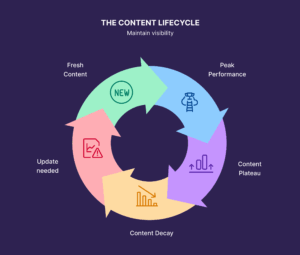
10. Optimize Content 60-90 Days Later
Most content isn’t perfect on launch day. Refresh it for better performance.
- Timing: Wait 60-90 days to gather data, then update.
- Optimizations: Add FAQs, featured snippets, updated stats, or new sections.
- Why it works: Refreshes signal freshness to Google, often boosting rankings.
Treat content as living documents for sustained SEO gains.
11. Earn Backlinks Through Outreach and Promotion
Backlinks are votes of confidence. Don’t wait for them earn them actively.
- Tactics: Publish high-value content, then outreach via email or social. Create “stunts” like infographics or studies to attract links naturally.
- Promotion: Share on Reddit, LinkedIn, or industry forums to build a reader base.
- Pro tip: Focus on quality over quantity relevant, high-DA sites matter most.
Strategic outreach turns your content into a link magnet.
12. Design Content for Mobile UX
With mobile searches dominating, prioritize user-friendly designs.
- Essentials: Use clear headers, short paragraphs, and fast-loading elements.
- Boost authority: Guide users with intuitive navigation and mobile-optimized images.
- Testing: Use Google’s Mobile-Friendly Test tool to ensure compliance.
Mobile-first design improves dwell time and reduces bounce rates.
13. Embed Video and Multimedia
Enhance engagement with visuals beyond text.
- Benefits: Videos boost dwell time and explain complex topics effectively.
- Where to use: High-value pages like tutorials or product guides.
- Implementation: Embed YouTube videos or create custom ones; add alt text for SEO.
Multimedia makes your content sticky and shareable.
14. Include Firsthand Experience
Google’s E-E-A-T (Experience, Expertise, Authoritativeness, Trustworthiness) favors real insights.
- How to incorporate: Share personal stories, case studies, or processes.
- Value added: Builds credibility and differentiates from generic content.
- Example: “In my experience optimizing sites for 2026 trends, here’s what worked…”
Authentic experiences resonate with readers and search engines alike.
15. Refresh and Iterate for Long-Term Success
While not explicitly numbered as 15 in the infographic, tying it all together: Always iterate. Combine these steps into a cyclical process.
In conclusion, a killer SEO strategy for 2026 isn’t about shortcuts , it’s about strategic, consistent effort aligned with user needs. Implement these 15 steps, track your progress, and watch your organic traffic soar. If you’re ready to grow your website’s sales through SEO, start with step one today. What’s your biggest SEO challenge? Share in the comments below!
conclusion
Those who adapt, maintain their efforts, and implement user-first strategies will be the ones to enjoy SEO success as we go into 2026. Search Engine Optimization has evolved to be more than just adhering to Google’s regulations. It’s about empathizing with users, providing solutions, and demonstrating your expertise.
If you follow these 15 steps in order , like finding out who your customers are, using the right keywords, writing about related topics, getting links from other websites, and keeping your content fresh , you can build a strong and lasting SEO plan that really works.
Keep in mind that SEO is not a one-off initiative but a continuous growth engine. You should always be testing, refining, and iterating your strategy based on data and audience behavior. If you do that, your brand will not only be able to withstand the next Google update but it will be able to dominate the search results for a long time. Don’t wait till tomorrow, be consistent and see your rankings and revenue grow.
FAQs
1. What is SEO and why is it important?
SEO (Search Engine Optimization) helps your website appear higher in search results on Google and other search engines. It brings more visitors, builds trust, and can increase sales.
2. What are BOFU keywords?
BOFU stands for Bottom of the Funnel. These are keywords that show someone is ready to buy or take action, like “buy running shoes online” or “SEO service pricing.”
3. What is a keyword cluster?
A keyword cluster is a group of related keywords around a main topic. It helps search engines understand your site better and improves rankings for multiple related searches.
4. How often should I update my content?
Check your content after 60–90 days and update it with new information, FAQs, or better visuals. Regular updates show Google your site is fresh and helpful.
5. Why do I need backlinks?
Backlinks are links from other websites to yours. They act like votes of confidence, showing search engines that your content is trustworthy and valuable.