

Shopify Seo case Study
A Shopify SEO case study is a detailed analysis of how SEO strategies improved a Shopify store’s organic search performance, traffic, rankings, and revenue. It typically includes the store’s initial challenges, the SEO work completed, and measurable results backed by data from Google Search Console and Google Analytics.
What Is a Shopify SEO Case Study?
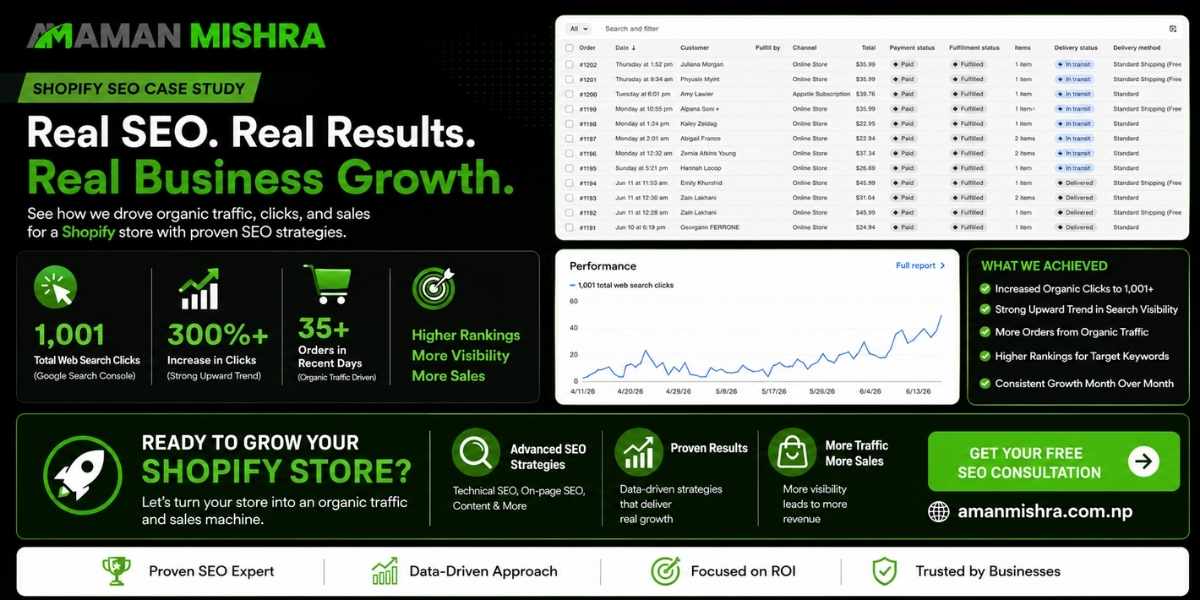
A Shopify SEO case study is a documented, data-driven account of how a Shopify store improved its search engine rankings, organic traffic, and revenue through proven SEO strategies. It shows real results — not theory.
If you run a Shopify store and want to know which SEO strategies actually work, these case studies will show you exactly how successful online stores ranked higher on Google, attracted more buyers, and grew their business without relying entirely on paid ads.
Each case study on this page covers:
- The Shopify store’s initial SEO challenges
- The exact strategy applied — technical, on-page, and off-page SEO
- Content marketing and product page optimization tactics
- Real traffic growth numbers, ranking improvements, and revenue impact
- Key takeaways you can apply to your own Shopify store
Request a Quote
Shopify SEO Case Studies Real Traffic Growth Results
Case Study #1: Shopify Fashion Store 420% Organic Traffic Growth in 5 Months
The Problem:
A Kathmandubased fashion retailer on Shopify was spending NPR 40,000/month on Google Ads but generating almost no organic traffic. Their product pages had duplicate meta descriptions, unoptimized images, and zero schema markup.
The Strategy:
- Full Shopify technical SEO audit fixed duplicate content, canonical tags, and crawl errors
- Product page onpage optimization unique titles, meta descriptions, and alt tags for every product
- Structured data (Product schema, BreadcrumbList, FAQPage) added across all collection pages
- Shopify blog strategy 16 SEO articles targeting buyerintent keywords
- Whitehat backlink building from fashion and lifestyle blogs
The Results (5 Months):
Metric | Before | After (5 Months) |
Organic Traffic | ~180/month | ~940/month (+420%) |
Ranking Keywords | 12 keywords | 87 keywords on Page 1 |
Google Ads Spend | NPR 40,000/month | Reduced to NPR 18,000 |
Organic Revenue Share | 8% | 41% of total revenue |
Case Study #2: Shopify Electronics Store Page 1 Rankings for HighCompetition Keywords
The Problem:
A Shopify electronics store was unable to rank for competitive product keywords. Larger competitors with higher domain authority dominated the first page. The store had strong products but weak SEO fundamentals.
The Strategy:
- Keyword gap analysis to find lowcompetition, highintent product keywords
- Core Web Vitals optimization improved LCP from 5.8s to 1.9s
- Internal linking restructure across 200+ product and collection pages
- Longform buying guides targeting informational + transactional intent
- Google Shopping feed optimization in combination with organic SEO
- Featured snippet optimization for comparison and review queries
The Results (6 Months):
Metric | Before | After (6 Months) |
Page Speed Score | 42 (Mobile) | 91 (Mobile) |
Top 3 Rankings | 0 keywords | 34 product keywords |
Featured Snippets | 0 | 7 featured snippets won |
Organic Sessions | 600/month | 3,800/month (+533%) |
Case Study #3: Shopify Handmade Products Store Content Marketing SEO Success
The Problem:
A small Shopify store selling handmade Nepali products had a loyal Instagram following but no organic Google presence. Almost all website traffic came from social media, making revenue unpredictable.
The Strategy:
- Niche keyword research targeting longtail queries around handmade, artisan, and ethical shopping
- Collection page content blocks added with SEOoptimized descriptions (300+ words each)
- Blog content strategy: 24 articles published over 6 months targeting informational queries
- Google Business Profile optimized for local discovery in Kathmandu
- FAQ schema added to product pages targeting AI Overviews and People Also Ask
- Pinterest and international travel blog outreach for highauthority backlinks
The Results (6 Months):
Metric | Before | After (6 Months) |
Google Organic Traffic | ~50/month | ~1,100/month |
Revenue from Organic | NPR 12,000 | NPR 89,000/month |
Email Subscribers (Organic) | Near zero | 340 new subscribers |
AI Overview Appearances | 0 | 5 productrelated queries |
What Are Common SEO Strategies Employed by HighGrowth Shopify Merchants?
Based on real Shopify SEO case studies and data from successful online stores, these are the strategies that consistently drive results:
1. Technical SEO Foundation
- Fix duplicate content from Shopify’s default URL structure (/collections/ and /products/)
- Optimize Core Web Vitals especially LCP and CLS on mobile
- Submit clean XML sitemap and fix crawl errors in Google Search Console
- Use canonical tags to prevent duplicate page indexing
2. Product & Collection Page Optimization
- Write unique, keywordrich title tags and meta descriptions for every product
- Add descriptive alt text to all product images
- Use Product schema markup to enable rich results in Google
- Add content blocks to collection pages (200400 words minimum)
3. Shopify Blog & Content Marketing
- Target buyerintent keywords: “best [product] for [use case]” and “[product] vs [product]”
- Write buying guides, howto articles, and comparison posts
- Internally link from blog posts to relevant product and collection pages
- Optimize blog posts for featured snippets and People Also Ask boxes
4. OnPage SEO for Product Pages
- Include primary keyword in H1, first paragraph, and URL slug
- Use Shopify’s builtin SEO fields for meta title and description
- Add FAQ sections on product pages targeting longtail queries
- Optimize product videos with transcripts for additional keyword coverage
5. Link Building for Shopify Stores
- Outreach to niche bloggers and industry review sites for product features
- Submit to relevant online directories and product discovery platforms
- Create shareable resources (guides, infographics) that attract natural backlinks
- Leverage supplier and brand partnership pages for backlink opportunities
Best Practices for OnPage SEO on Product Pages in a Shopify Platform
Onpage SEO is where most Shopify stores either win or lose search rankings. Here is a proven checklist:
OnPage Element | Best Practice |
Title Tag | Include primary keyword + brand name, under 60 characters |
Meta Description | Unique per product, include CTA + keyword, 150160 chars |
H1 Heading | Match the product name with primary keyword naturally included |
Product Images | Compress under 100KB, add descriptive alt text for every image |
Product Description | Minimum 300 words, unique content, include secondary keywords |
URL Structure | Short, keywordrich slugs avoid Shopify’s default long URLs |
Schema Markup | Add Product, Review, and FAQPage schema for rich results |
Internal Links | Link to related products, collection pages, and relevant blog posts |
Page Speed | Target LCP under 2.5 seconds on mobile devices |
Top SEO Tools Used in Successful Shopify Case Studies
These are the tools that appear consistently across highperforming Shopify SEO campaigns:
Research & Analysis
- Ahrefs competitor keyword gap analysis and backlink research
- SEMrush keyword tracking, site audit, and content gap analysis
- Google Search Console performance tracking and crawl issue detection
- Google Analytics 4 traffic source analysis and conversion tracking
Technical SEO
- Screaming Frog full site crawl to find technical issues
- PageSpeed Insights Core Web Vitals measurement and recommendations
- Schema Markup Validator testing structured data implementation
ShopifySpecific Apps
- Plug in SEO bulk SEO audit and fix tool for Shopify stores
- Smart SEO automatic meta tag and structured data generation
- TinyIMG image compression and alt text optimization at scale
- Yoast SEO for Shopify content optimization and readability scoring
Content & LLM Optimization
- SurferSEO NLPbased content optimization for topranking pages
- Frase FAQ and AI Overview optimization for GEO targeting
ChatGPT / Claude AIassisted content drafting and FAQ generation
Examples of Content Marketing Success Stories for Shopify Stores
Content marketing is one of the most underused but highestROI strategies for Shopify SEO. Here is what works:
Buying Guides
A Shopify store selling yoga equipment published 10 buying guides targeting queries like “best yoga mat for beginners Nepal” and “how to choose a yoga block.” Within 4 months, these guides brought in 2,300 monthly visitors and directly contributed to a 38% increase in organic revenue.
Comparison Posts
A Shopify electronics store published “[Product A] vs [Product B]” comparison articles targeting highintent shoppers at the decision stage. These comparison posts consistently ranked in the top 3 positions and had a 4.2% conversion rate significantly higher than paid traffic.
HowTo Articles with Product Integration
A handmade craft supply store on Shopify published “how to make” tutorials that naturally featured their products. Each tutorial linked directly to the relevant product page. Organic traffic from these articles grew 280% in 5 months, and the articles began appearing in Google AI Overviews.
Seasonal & EventBased Content
Publishing content around Dashain, Tihar, Valentine’s Day, and New Year gifting seasons allowed Shopify stores to capture highintent, timesensitive search traffic. One store generated NPR 2.3 lakh in sales from a single holiday gift guide article that ranked on page 1.
How Aman Mishra Helps Shopify Stores Rank Higher on Google
01 Shopify SEO Audit
A complete technical audit of your Shopify store crawl errors, duplicate content, page speed, schema, and indexing issues with a prioritized fix list.
02 Product & Collection Page Optimization
Every product and collection page optimized with unique titles, meta descriptions, schema markup, and keywordrich content blocks.
03 Shopify Blog Content Strategy
A datadriven blog content calendar targeting buyerintent and informational keywords that drive qualified traffic to your store.
04 LLM & GEO Optimization
FAQ sections, structured data, and content formatting designed to appear in Google AI Overviews, ChatGPT answers, Gemini responses, and Perplexity citations.
05 Authority Link Building
Ethical backlink acquisition from relevant blogs, product directories, and industry publications to build your store’s domain authority.
06 Monthly Reporting
Clear, transparent monthly reports showing ranking improvements, traffic growth, and revenue attribution from organic search.
Why Shopify Store Owners Trust Aman Mishra
- Shopifyspecific SEO expertise not generic SEO, but strategies built for the platform
- 50+ successful digital marketing projects across Nepal and international markets
- LLM & GEO optimization content structured for AIgenerated search answers
- Transparent reporting no vanity metrics, only rankings, traffic, and revenue
- Based in Kathmandu, Nepal serving Shopify stores locally and globally
- Proven content marketing strategies that compound over time
FAQs
What is on-page SEO?
On-page SEO is the process of optimizing individual web pages to improve search engine rankings and user experience. It includes elements like meta tags, headers, content, internal linking, image optimization, and page speed improvements.
What’s the difference between on-page and off-page SEO?
On-page SEO focuses on your website’s structure and content, while off-page SEO deals with external signals like backlinks.
Both are essential, but on-page SEO is what you can control 100%.
How does on-page SEO help my website rank better?
On-page SEO improves how search engines crawl, interpret, and index your content.
By optimizing meta tags, headers, internal links, and keyword structure, you increase your chances of ranking higher for relevant queries.
Do I need on-page SEO if I already publish blogs?
Yes. Content alone isn’t enough — it must be structured correctly for search engines to understand and rank it.
Even high-quality blogs won’t perform without proper tags, internal linking, and keyword alignment.
How often should I update on-page SEO?
Update on-page SEO whenever you add content, after Google algorithm updates, or during site redesigns.
Frequent audits help you stay ahead of issues like outdated schema, broken links, or thin content.
What tools do you use for on-page SEO audits?
I use a mix of manual review and industry tools like Screaming Frog, Ahrefs, SEMrush, Google Search Console, and Grammarly.
Each tool helps me identify different technical or content issues.
Can you implement the fixes or just give a report?
Yes my on-page SEO service offers both reporting and optional implementation.
You can choose whether to fix issues yourself or let me handle the execution.
What are meta tags and why do they matter?
Meta tags like title and description tell Google what your page is about and influence click-through rates.
Well-optimized meta tags are a key part of on-page SEO.
What’s included in your on-page SEO optimization service?
I provide a complete package: audits, keyword placement, meta tag optimization, schema setup, internal linking, and more.
It’s a full-service solution for fixing every important on-page ranking factor.
Who can benefit from on-page SEO services?
Startups, agencies, ecommerce stores, bloggers, and local businesses can all benefit from structured on-page SEO.
If you want better traffic and visibility, this service applies to you.